
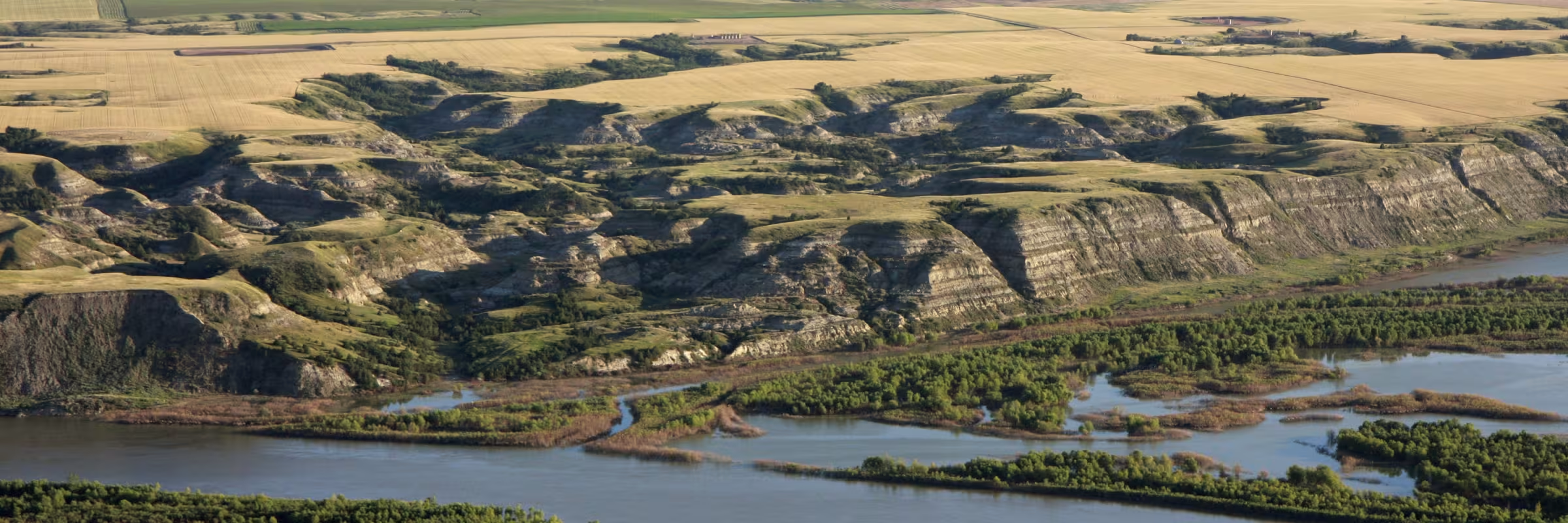
Before the Fund (1892-2008)
Gas by Accident
Drillers sinking a water well near Edgeley strike natural gas, the state's first hint of what lies underground.
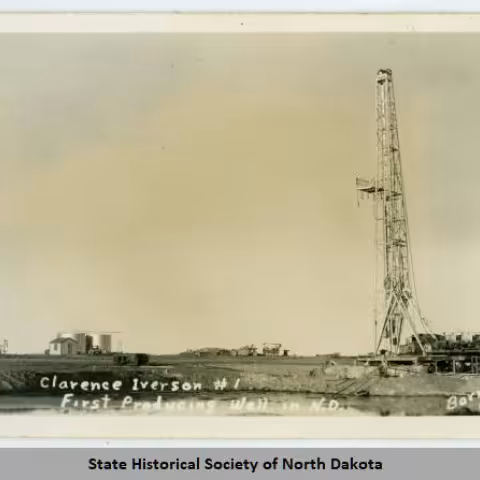
Oil Discovered Near Tioga
Amerada Petroleum completes the Clarence Iverson No. 1 in a wheat field in Williams County, opening the Williston Basin to nearly continuous exploration.
The First Boom Peaks
High oil prices push North Dakota production to a record 52 million barrels for the year.
Then It Busts
Prices crash to $10 a barrel. Seven of every ten wells shut down, companies close their offices, and North Dakota's budget takes years to recover.
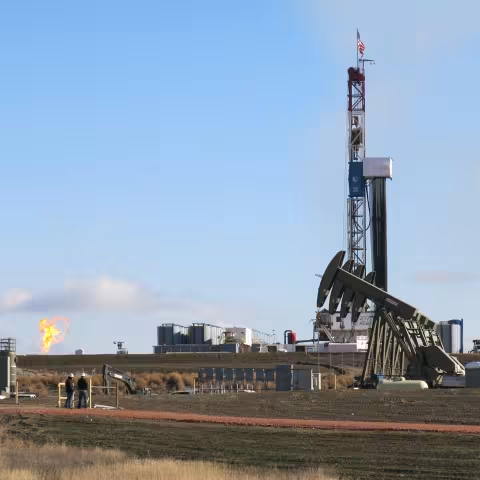
The Bakken Breaks Open
New drilling technology and the Parshall field discovery unlock the shale play that remakes western North Dakota's economy.
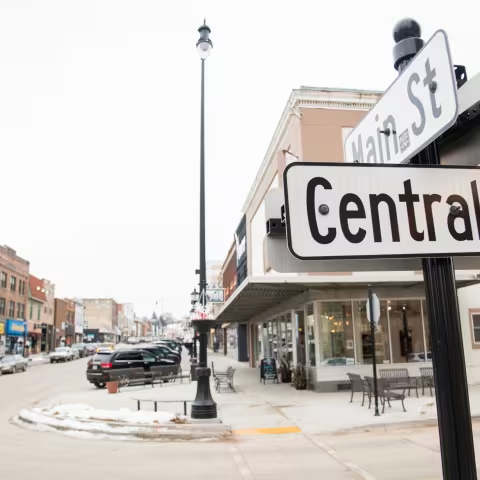
History Threatens to Repeat Itself
Bakken production accelerates and state revenue surges again. This time, leaders recognize the pattern and move to lock part of the windfall away before it's absorbed into ongoing budgets.
Creation of the Fund (2009-2010)
The Question Goes to Voters
The Legislative Assembly passes House Concurrent Resolution No. 3054, placing the creation of a permanent fund on the 2010 general election ballot.

North Dakotans Vote "Yes"
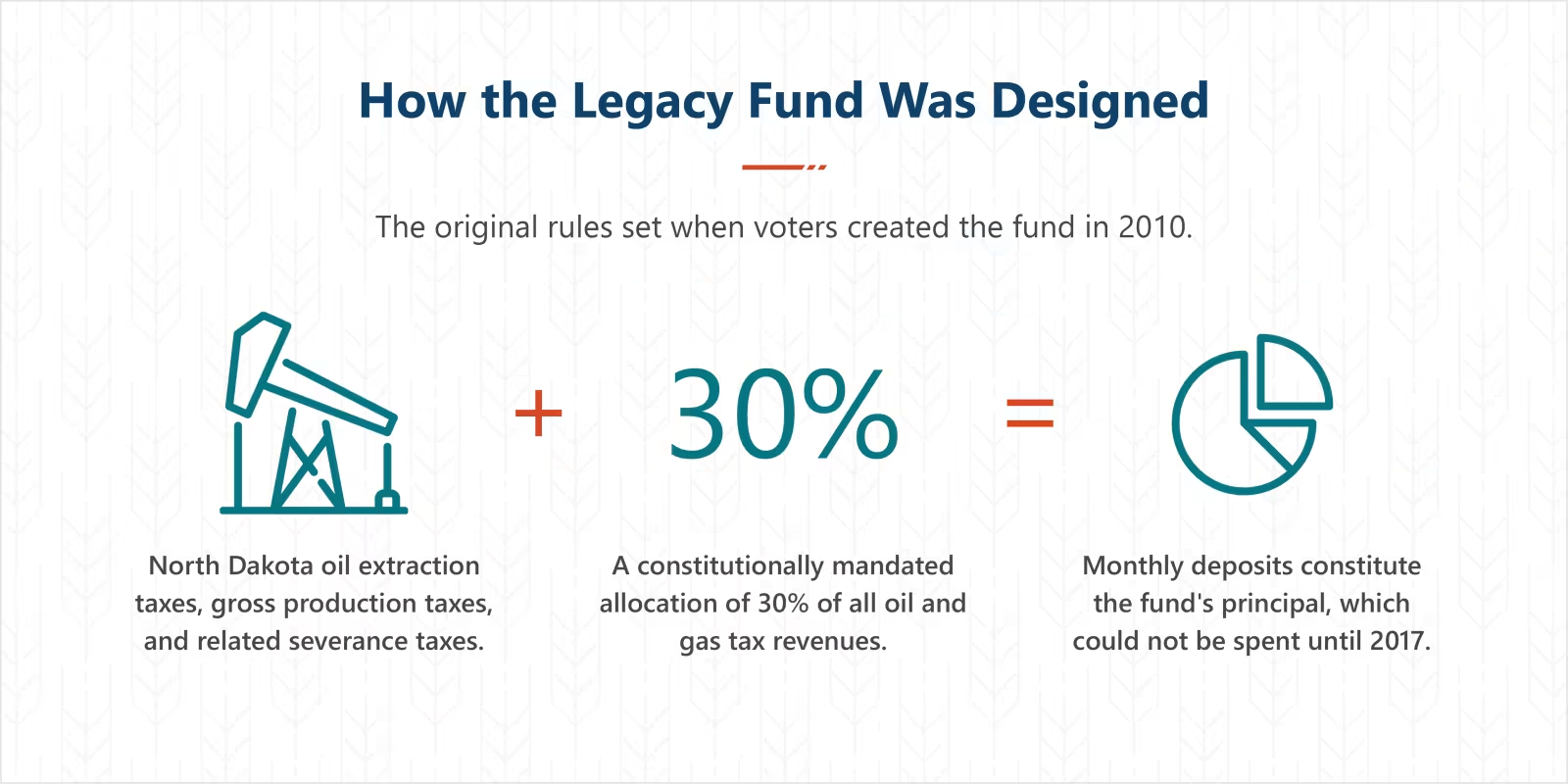
About 63% of voters approve the measure, creating the Legacy Fund as Article X, Section 26 of the state constitution: spending locked until mid-2017, then capped at 15% of principal per budget cycle with a two-thirds vote in both chambers.

The Lockbox Years (2011-2017)
First Deposits and a Board to Manage Them
Oil tax revenue begins flowing into the Legacy Fund. The Legislature creates the Legacy and Budget Stabilization Fund Advisory Board to recommend how the money should be invested, and the State Investment Board is directed to invest it with a simple mandate – preserve principal, maximize returns.
The Premise Gets Tested
Falling oil prices cut oil and gas tax revenue in half and general fund revenue by nearly 30% in a single two-year budget cycle. Because the Legacy Fund could not be touched, it kept growing while the rest of the budget contracted.
The Waiting Period Ends
On June 30, 2017 the Legacy Fund's no-spending period ends, and its earnings become available to the state for the first time.

First Earnings and the Study Years (2019-2020)
The First Transfer
More than $455M moves from the Legacy Fund to the state's general fund, $155M above the Legislature's estimate! Learn more about How the Legacy Fund is Used.
The Legacy Fund Earnings Committee Reports Back
After four public meetings and a study of peer funds in Alaska, Texas, Wyoming, and Alabama, the committee's central finding isn't how to spend the money. It's that the transfer process itself needs fixing, because transfers based on realized earnings swing widely and could fall short if investment returns turn negative late in a budget cycle.

The Reform and Investing in North Dakota (2021-2023)
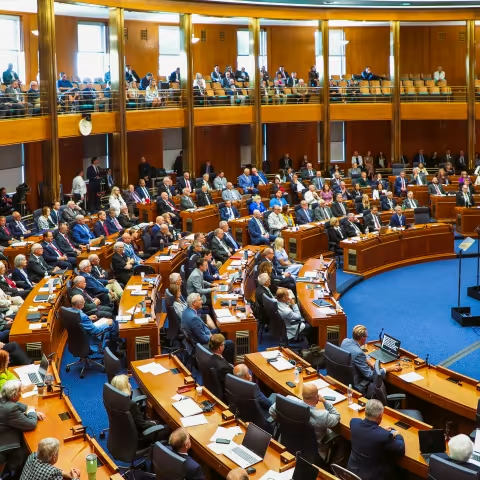
Earnings Get Smoothed
House Bill 1380 replaces the old realized-earnings method with a percent-of-market-value formula set at 7% of the Legacy Fund's five-year average value, and creates a new Legacy Earnings Fund to receive it.
The Last "Old-Rules" Transfer
Calculated under the old formula for the last time, $871.7M moves to the general fund — nearly double the transfer two years earlier, the kind of swing the reform is meant to end. Learn more about How the Legacy Fund is Used.
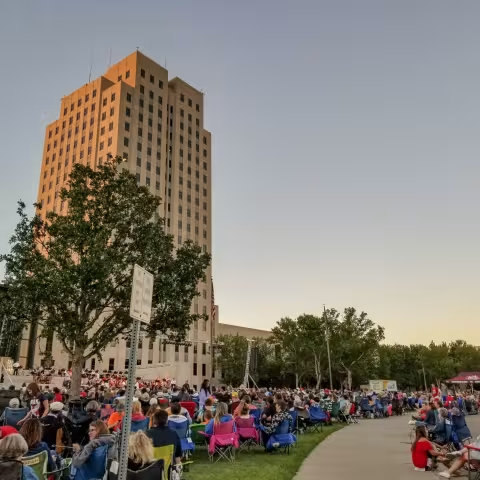
The Legacy Fund Comes Home
The Legislature creates the In-State Investment Program, directing up to 20% of the Legacy Fund to be invested within North Dakota, split evenly between fixed income and equity. Learn more about In-State Investments.
In-State Targets Become Dollars, Not Percentages
The Legislature replaces the 20% split with fixed targets: $700M in fixed income and $600M in equity, insulating the program from swings in the Fund's total value.

Tightening the Lock, Reaching Households (2023-2025)
Legislature Sets the Destination
House Bill 1379 directs how the $486M in the Legacy Earnings Fund will be used. The Legislature also passes House Concurrent Resolution 3033, putting Measure 3 on the ballot asking voters to cut the share of principal lawmakers may spend from 15% to 5%.
Voters Tighten the Lock
North Dakotans approve Measure 3, which cuts the spendable share of principal from 15% to 5%, converts pre-2017 earnings into protected principal, and directs the State Investment Board to invest the whole fund, not just the principal.
Earnings Rise to 8%
The Legislature raises the earnings definition to 8% of the five-year average valuation.
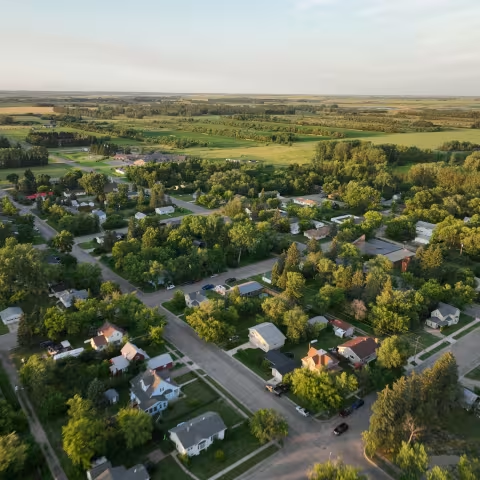
Earnings Reach ND Households
The $687M Legacy Earnings Fund distribution includes a $1,600 property tax credit, eliminating the bill for more than 50,000 North Dakota homeowners.
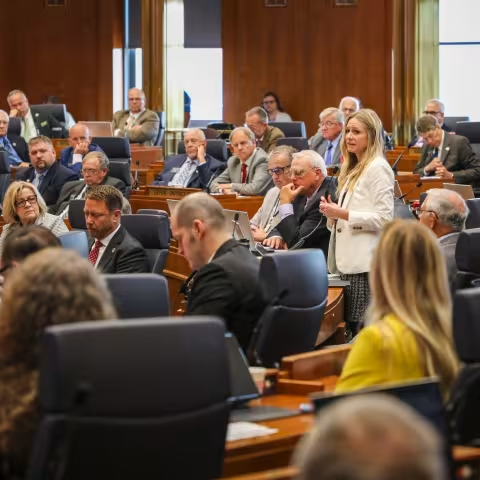
A New Source of Principal
The Legislature redirects the state’s share of the coal conversion facilities privilege tax to the Legacy Fund, adding a new source of revenue to its constitutionally protected principal.

Where the Fund Stands Today (2026)
Fifteen Billion and Counting
Energy taxes account for about $9.8B of the Fund's value; the remaining roughly $5B is investment returns, the compounding effect the Legacy Fund's framers hoped for.
A New Window Into the Fund
A new public website allows anyone to sort the Legacy Fund investments by country and asset class. Sharing more information and offering more transparency than any comparable sovereign wealth fund.